

How AI Is Changing What It Means to Edit a Photo
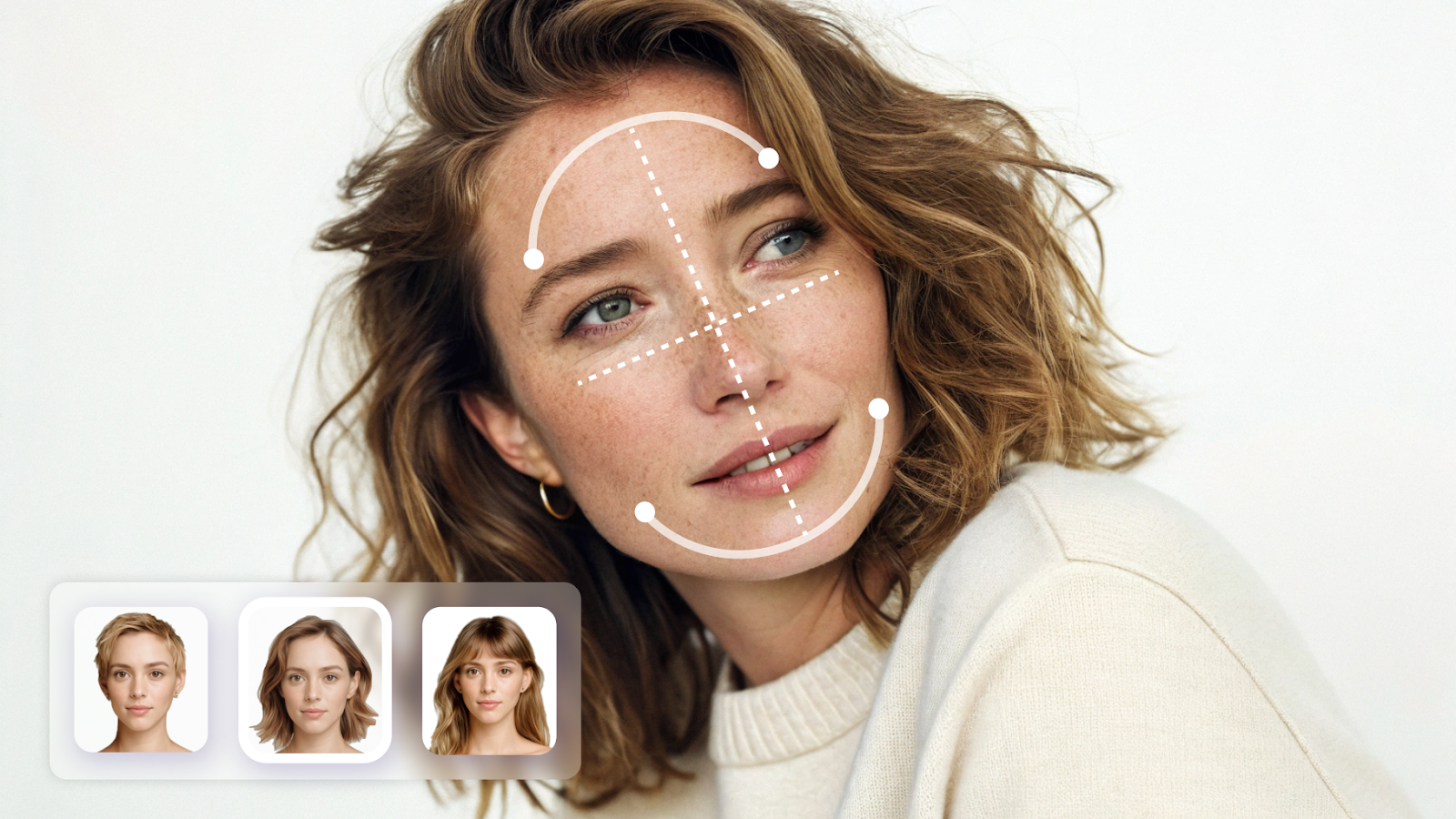
From automatic sky replacement to one-tap skin retouching, AI has shifted what's possible in minutes. Here's what's changed and what's still best done manually.
Why It Matters
From automatic sky replacement to one-tap skin retouching, AI has shifted what's possible in minutes. Here's what's changed and what's still best done manually.
Understanding the core principles behind this technique helps you apply it more consistently. The difference between a good result and a great one often comes down to knowing what you're trying to achieve before you start.
The best edits are the ones that look like they were never made.

Getting Started
Approach this step by step, making small adjustments rather than large ones. Each individual change might seem minor, but together they create a significant improvement.
Take your time and zoom out regularly to check the overall image. What seems correct up close often reads differently at full size.
The Result
With practice, these techniques become second nature. The goal is always to enhance rather than transform — to bring out the best in what's already there.
Start with the most significant issue and work your way to subtler details. This approach gives you the clearest sense of progress and helps you avoid over-editing any single element.
Frequently Asked Questions
Is Facelab free to use?
Which devices does Facelab support?
More in Lifestyle
View all
How to Finally Organise Your Photo Library (And Keep It That Way)
A disorganised library makes editing harder and sharing impossible. Here's the system photographers actually stick to.
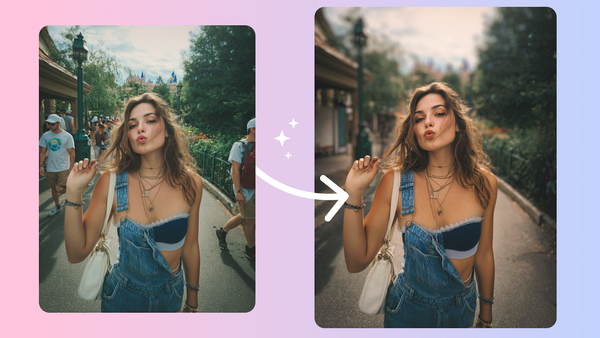
Do You Need a Special Monitor for Photo Editing?
Color accuracy matters in editing — but do you really need a dedicated display? We break down what to look for and when a standard monitor is enough.
Why Less Editing Usually Means Better Photos
There's a paradox at the centre of photo editing: the photos that look least edited are often the most worked-over. Here's how to develop that restraint.

